Treatment Technologies
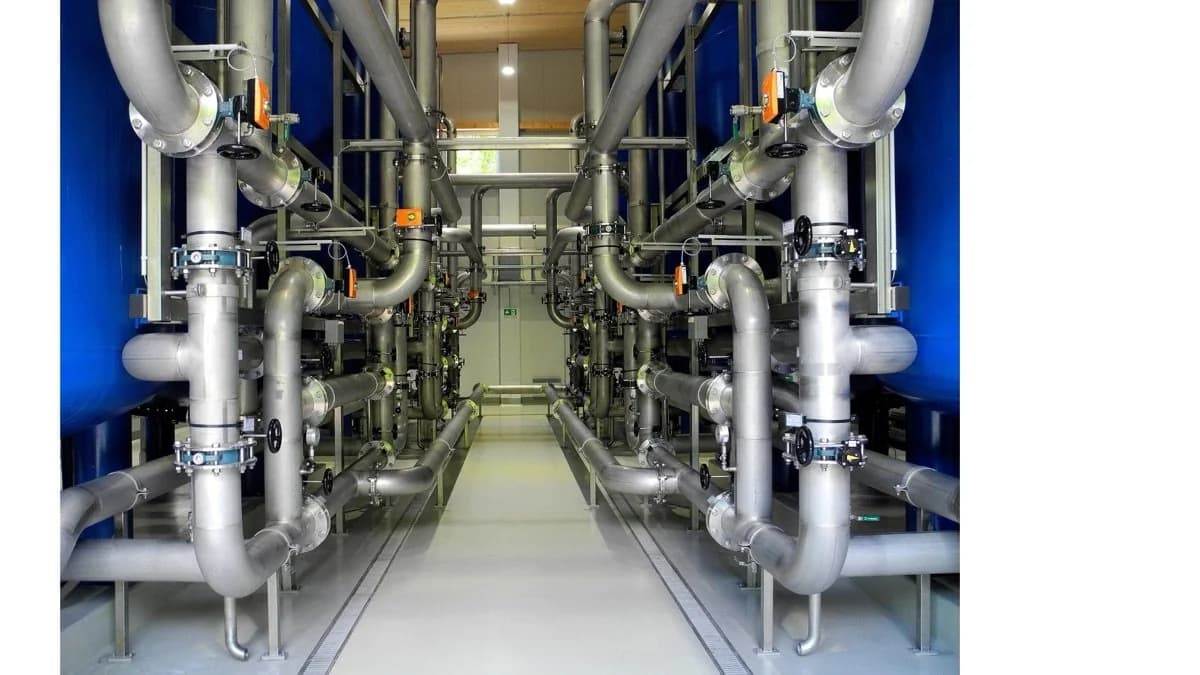
Filtration · RO · membranes · disinfection · desalination

The water ecosystem that connects industrial buyers with water treatment specialists. Every project matched by our engineers, powered by Nepti.
Every technology, industry and contaminant has its own page of providers. Browse the groups below, or post your project and we’ll match you to the right experts.
Filtration · RO · membranes · disinfection · desalination
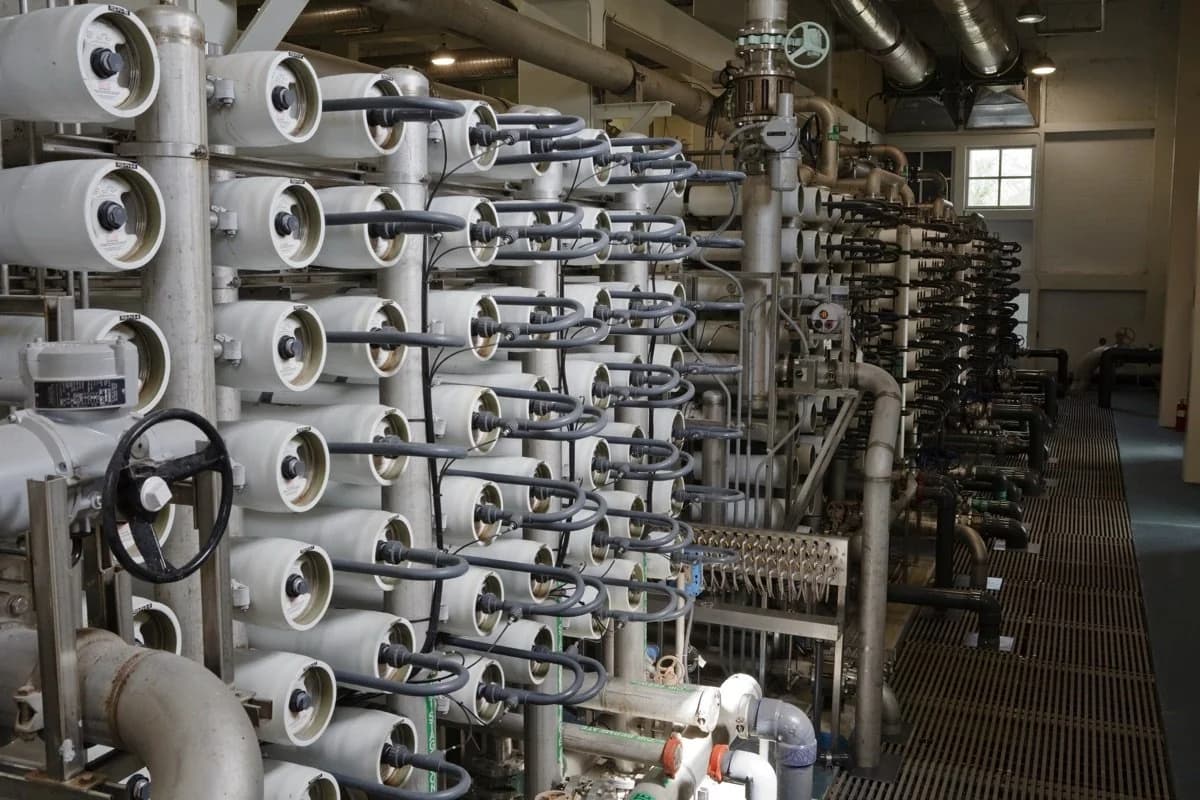
ZLD · industrial reuse · brine · resource recovery
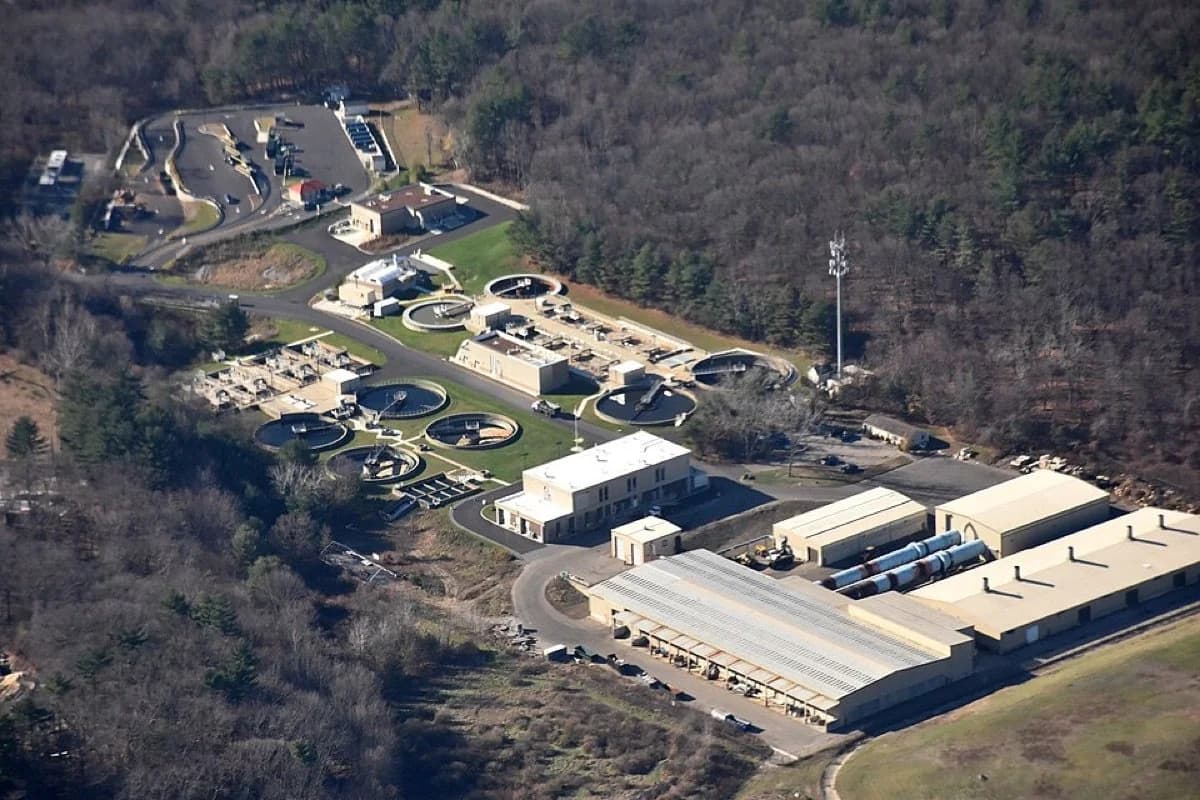
WWTP · EPC · modular · cooling · sludge

IoT · SCADA · AI · testing · energy efficiency

Consulting · engineering · ESG · feasibility · WaaS

O&M · emergency response · asset management
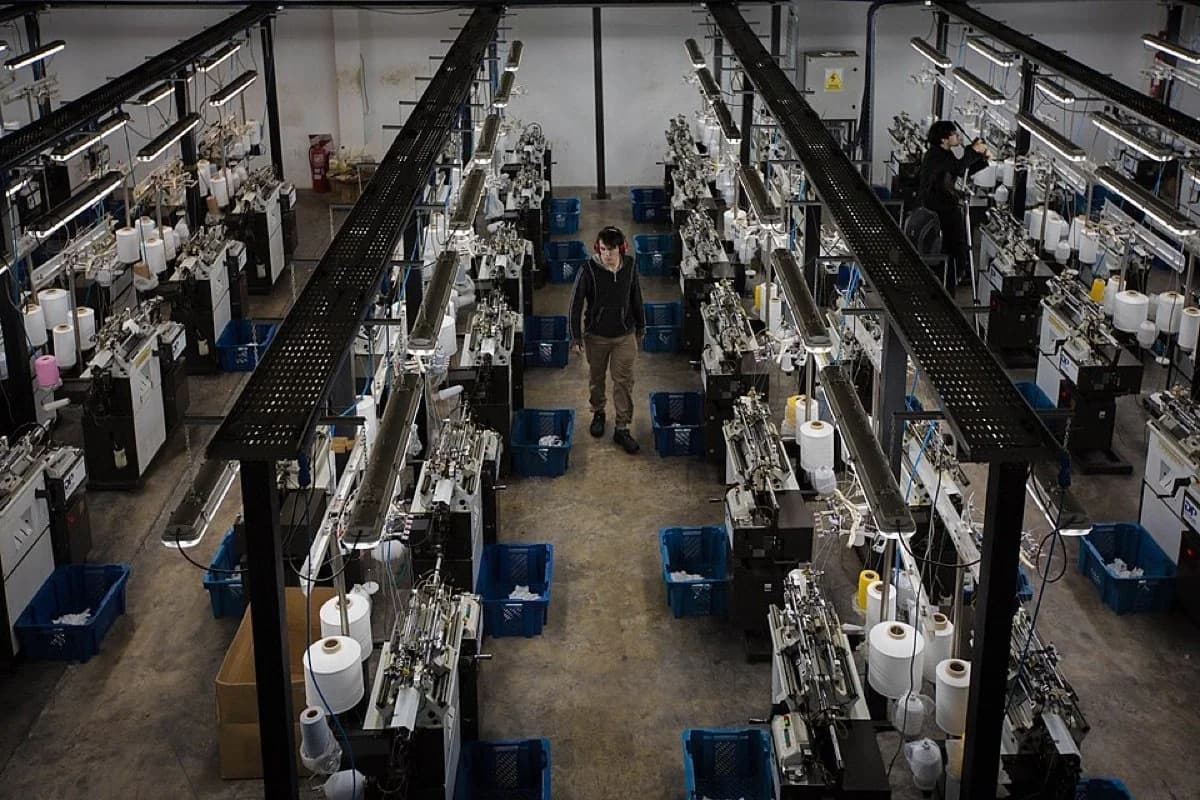
Textile · F&B · oil & gas · pharma · mining · chemicals
PFAS · heavy metals · COD/BOD · scaling · pathogens
Verified companies delivering recycling, reuse, filtration, sludge management, and industrial water treatment.
Watch how the matching engine turns delivered references into the right connections, in about a minute.
Tell us about the project: volume, contaminants, regulations, timeline. 5 minutes.
Our engineers and Nepti's intelligence engine identify suitable providers from the listed network.
Get tailored technical and commercial proposals. You pick the partner, and we stay alongside.
Tell us what you need, and we come back with the right providers.

Prefer to do it yourself?
As a mill cuts fresh-water intake from 50 to under 10 m3 per tonne, contaminants concentrate and a plant that worked at high dilution fails. Here is how to treat COD, AOX, and colour through water closure without an exceedance, benchmarked against 12 published pulp and paper treatment cases with real influent and effluent data.
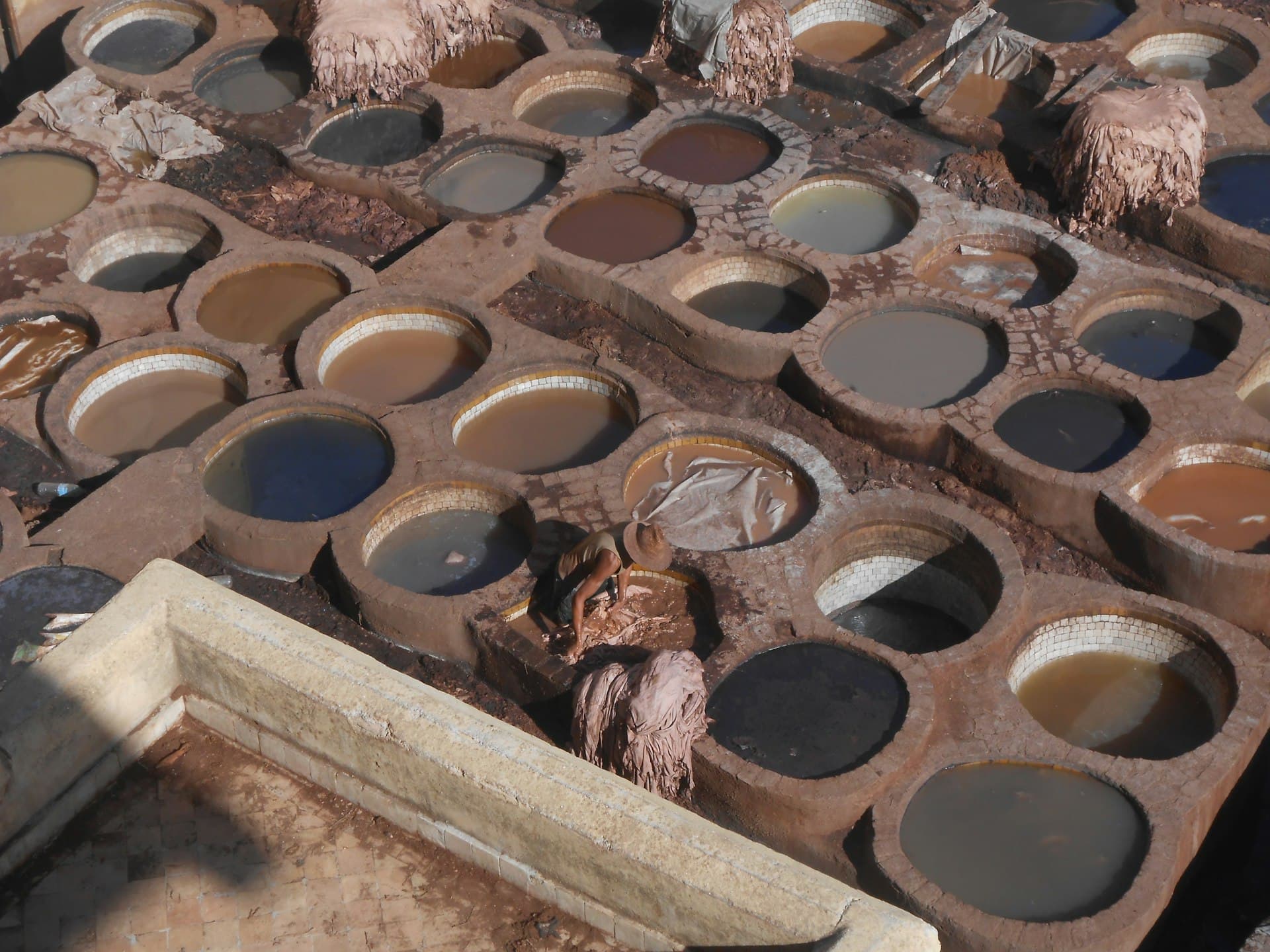
Mix your tannery streams instead of segregating them and you destroy chromium recovery, create a sulphide hazard, and push toward forced ZLD. Here is the segregation, recovery, and treatment strategy that keeps a tannery compliant, benchmarked against 17 published tannery treatment cases with real influent and effluent data.
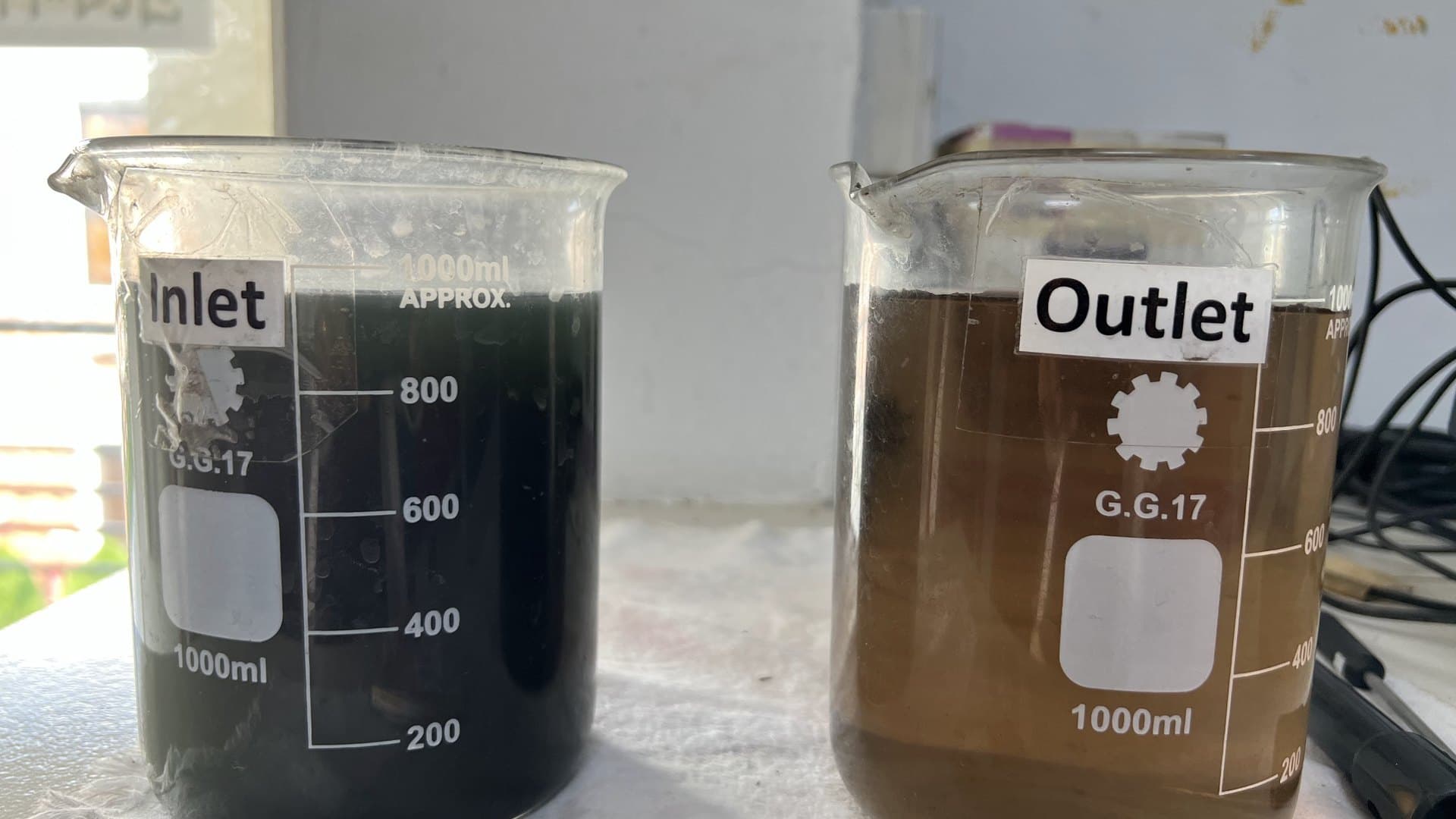
Textile dye effluent runs USD 0.40 to 1.80 per m3 to treat for discharge and USD 1.20 to 4.20 per m3 to recover for reuse, and the wrong technology choice locks a dye house into a USD 200,000 to 1.5M lifecycle penalty. This guide benchmarks the decision against 22 published textile treatment cases with real influent and effluent data, from a 100,000 m3/day district works to delivered reuse retrofits.
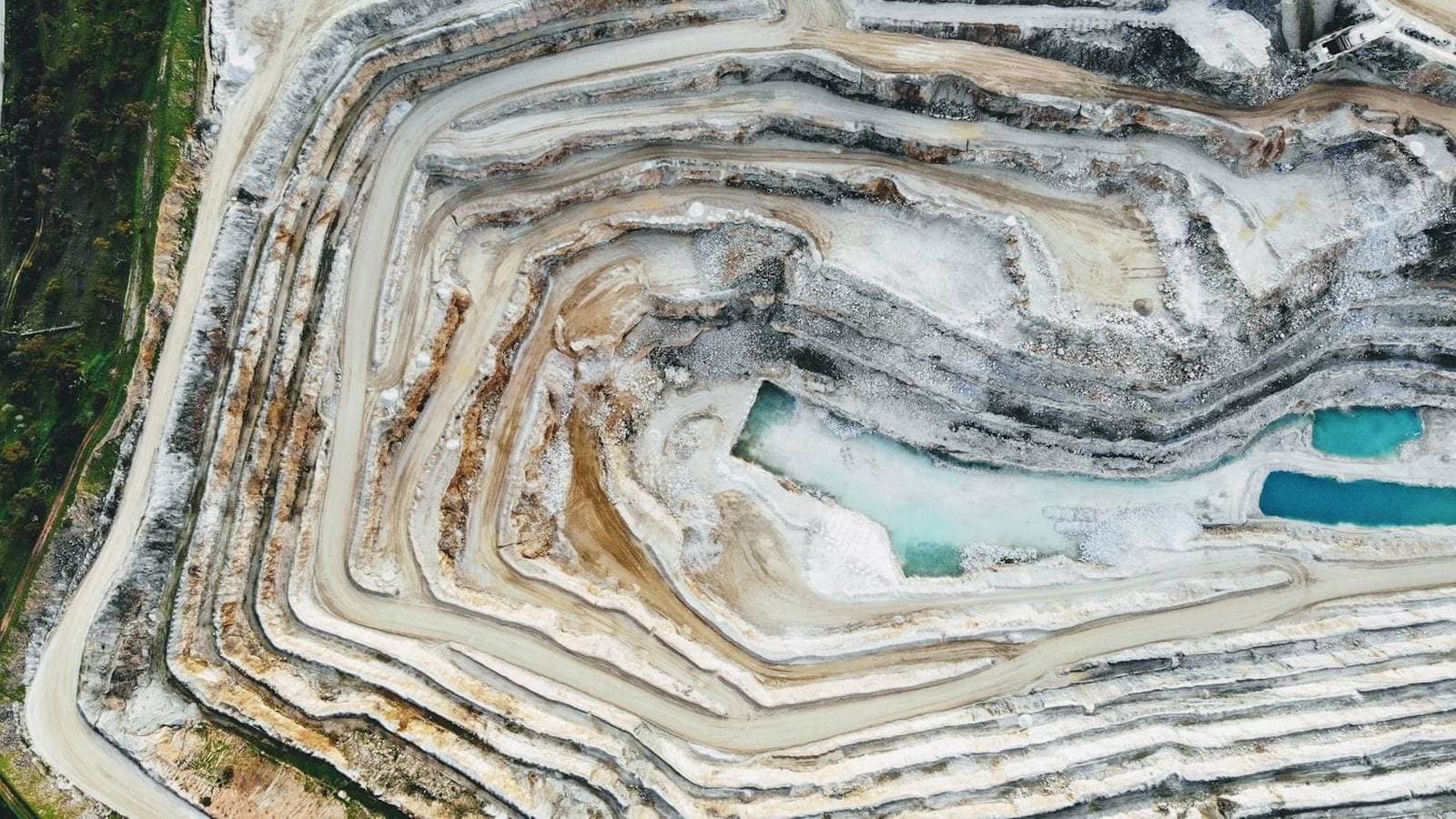
What separates a mine that treats its water economically from one that leaks money for a century, covering acid mine drainage, cyanide, sulphate, selenium, and the closure liability behind every treatment-train decision, now benchmarked against 14 published mine-water treatment cases with real influent and effluent data.
A single microbial failure on a product-contact surface costs $500,000 to $2 million in recalls and lost contracts. Full CAPEX, OPEX, technology selection, and CIP standards inside, plus the effluent side benchmarked against 107 published food and beverage treatment cases with real influent and effluent data.
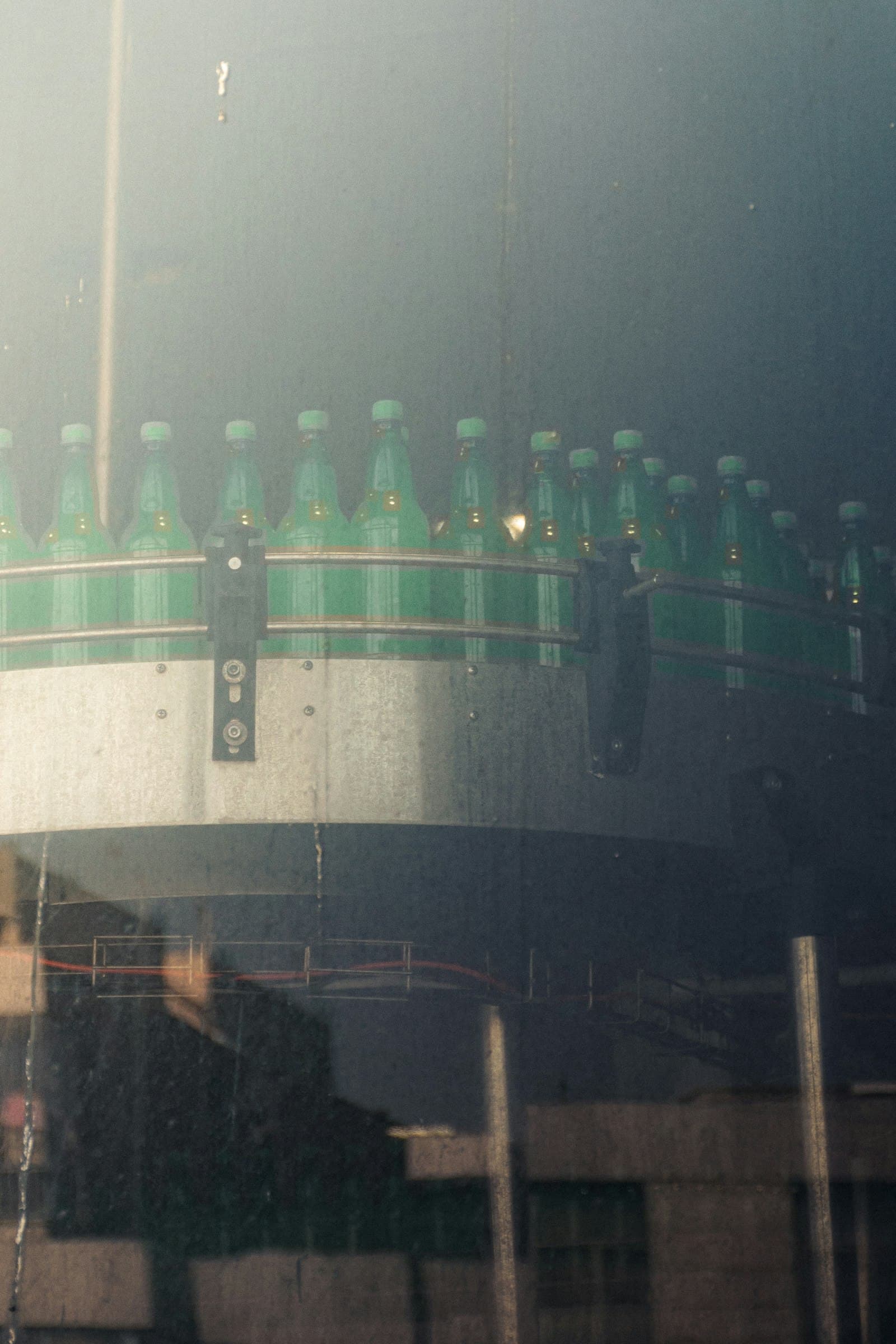
Food and beverage effluent runs about ten times the organic load of municipal sewage and swings hard with the production and sanitation cycle. Here is what 107 real treatment plants across 32 countries actually achieve, the train that works, and the nutrient trap that catches carbon-only plants.
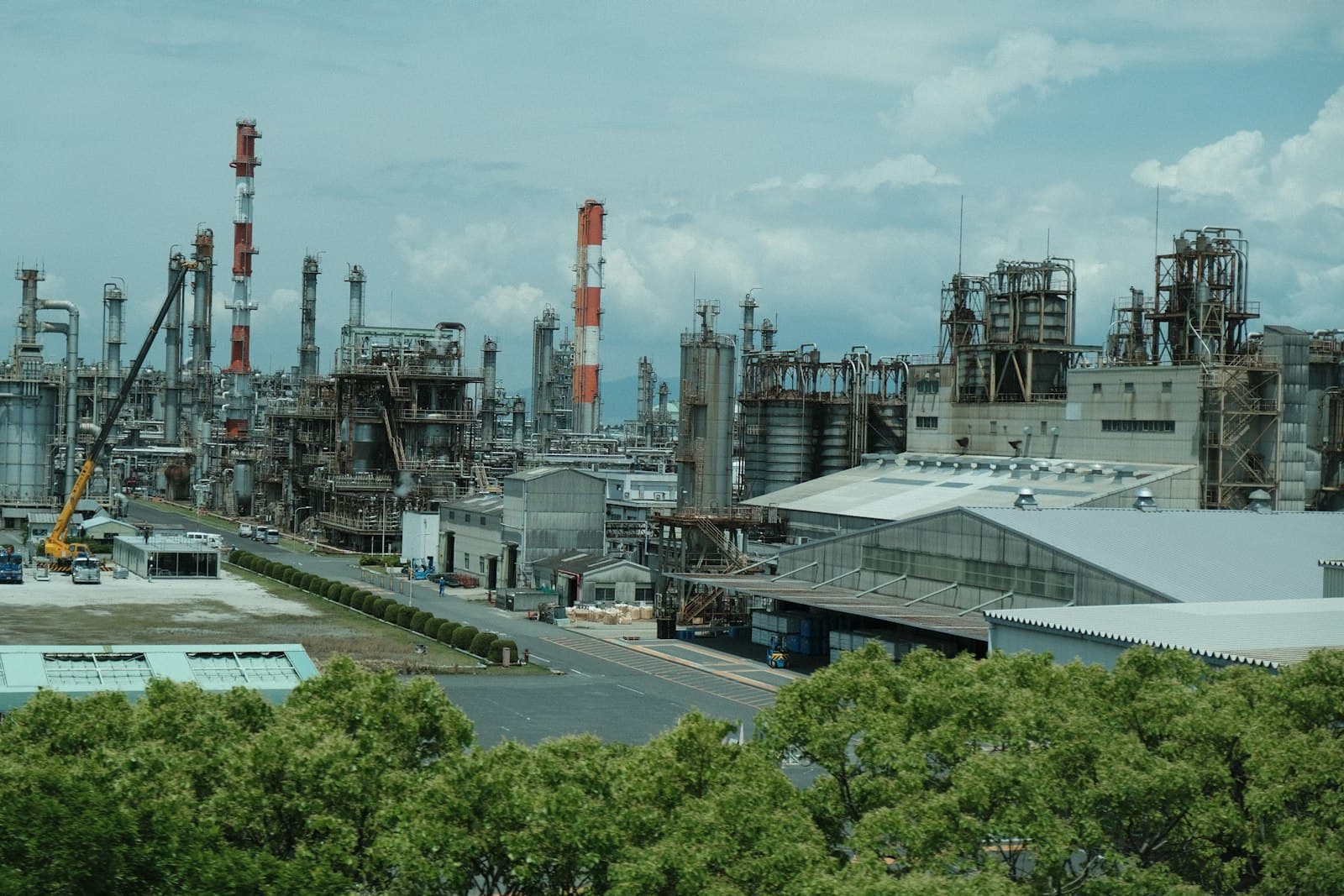
Chemical and petrochemical effluent is the most heterogeneous industrial wastewater there is, from under 100 to over 80,000 mg/L COD, often toxic to the biology meant to treat it. Here is what 45 real plants achieve, the train that handles the recalcitrant and toxic fractions, and the salinity and metals biology ignores.
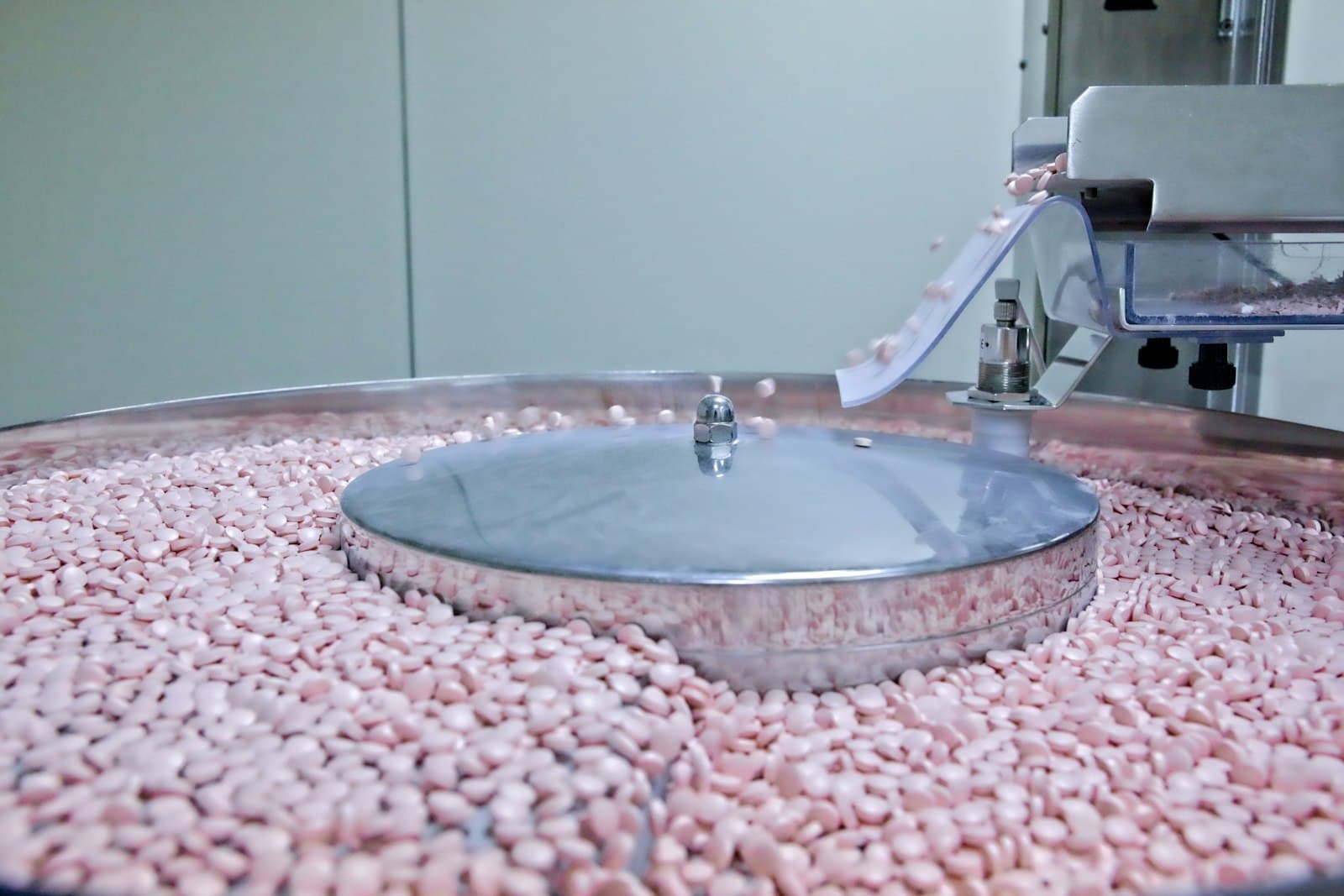
Pharmaceutical effluent is defined by a huge and variable organic load, from a few hundred to over 20,000 mg/L COD, plus a heavy nitrogen burden. Here is what the published plants achieve, the train that handles the swing, and an honest read of what the data does and does not cover.
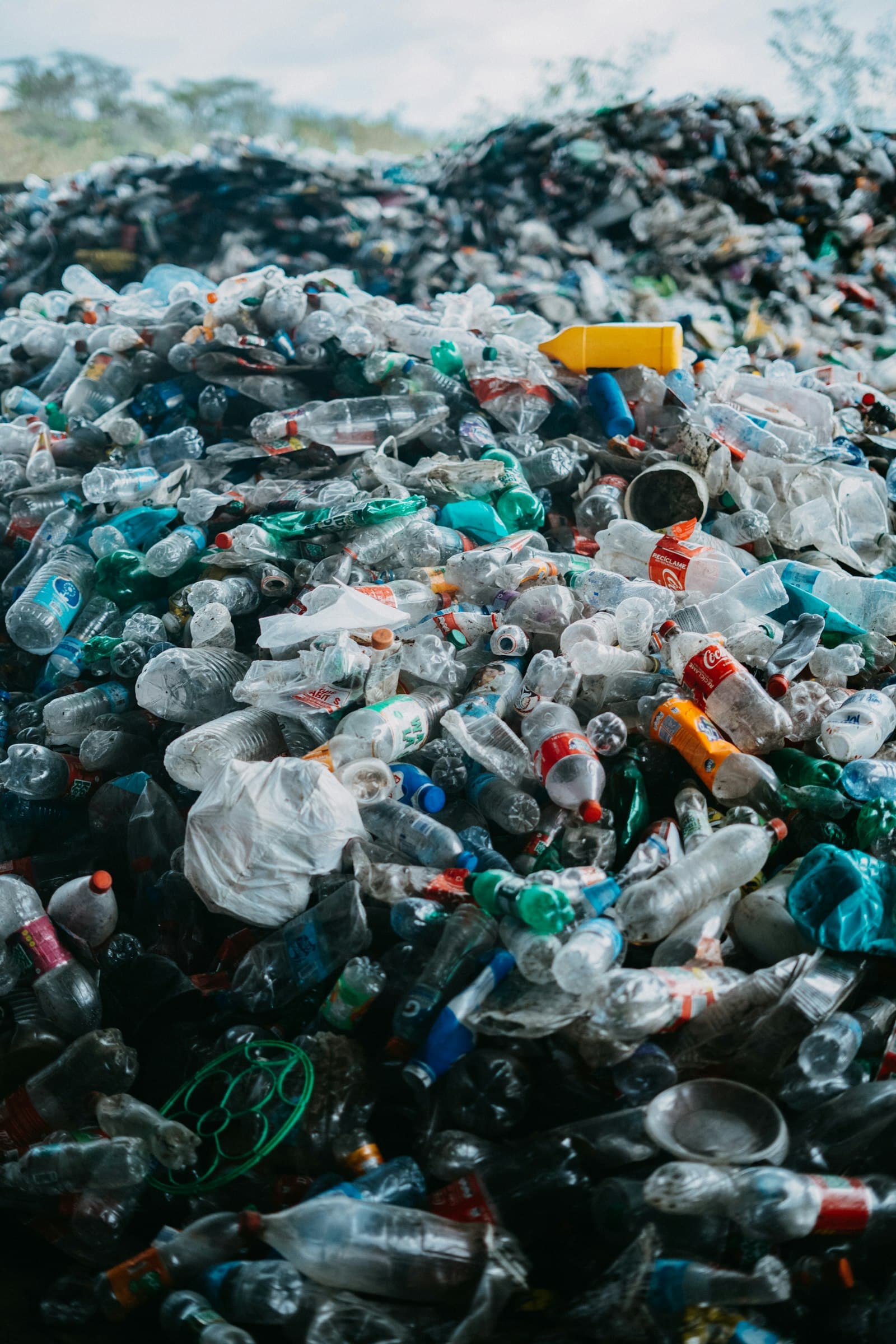
Landfill leachate is defined by very high ammonia, a stubborn recalcitrant COD, and a chemistry that shifts as the landfill ages. Here is what 28 real plants achieve, why ammonia usually drives the design, and where biology hits a floor it cannot cross.
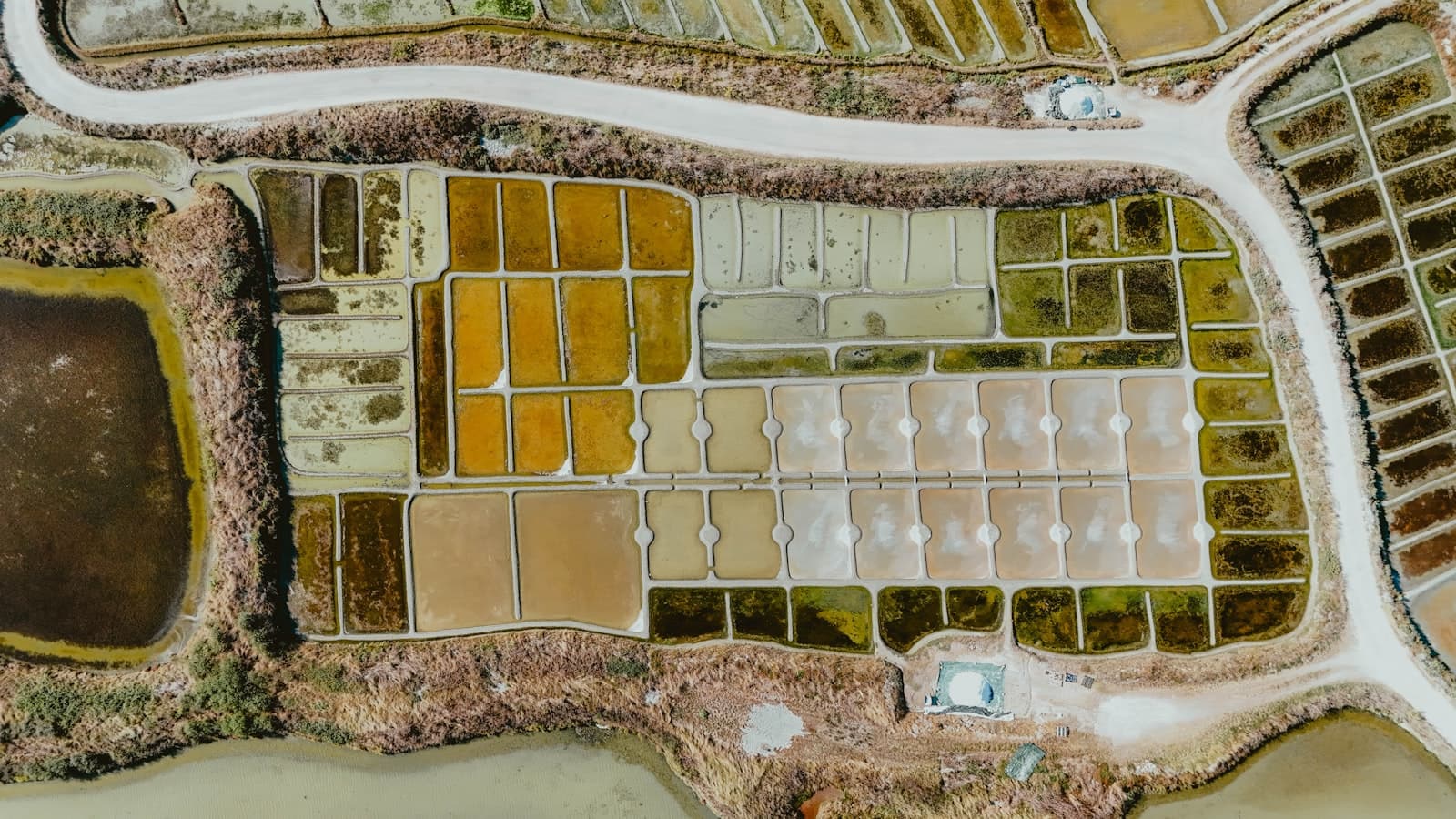
Technically challenging desalination, ZLD and brine projects on Aguato can now be reviewed and scoped by Brine Consulting specialists before they reach the market. What changes for project owners and providers.
Occurrence, speciation, treatment role, removal, analysis, published limits and health effects, with balanced equations. Written for the people who have to design around them.
Nepti Design maps the treatment space. Nepti Diagnose explains why a solution fits. Aguato is the ecosystem. Nepti is why the ecosystem works.
Aguato helps industries translate sustainability targets into executable water treatment projects, supported by the right expertise and technology providers, selected with precision.


