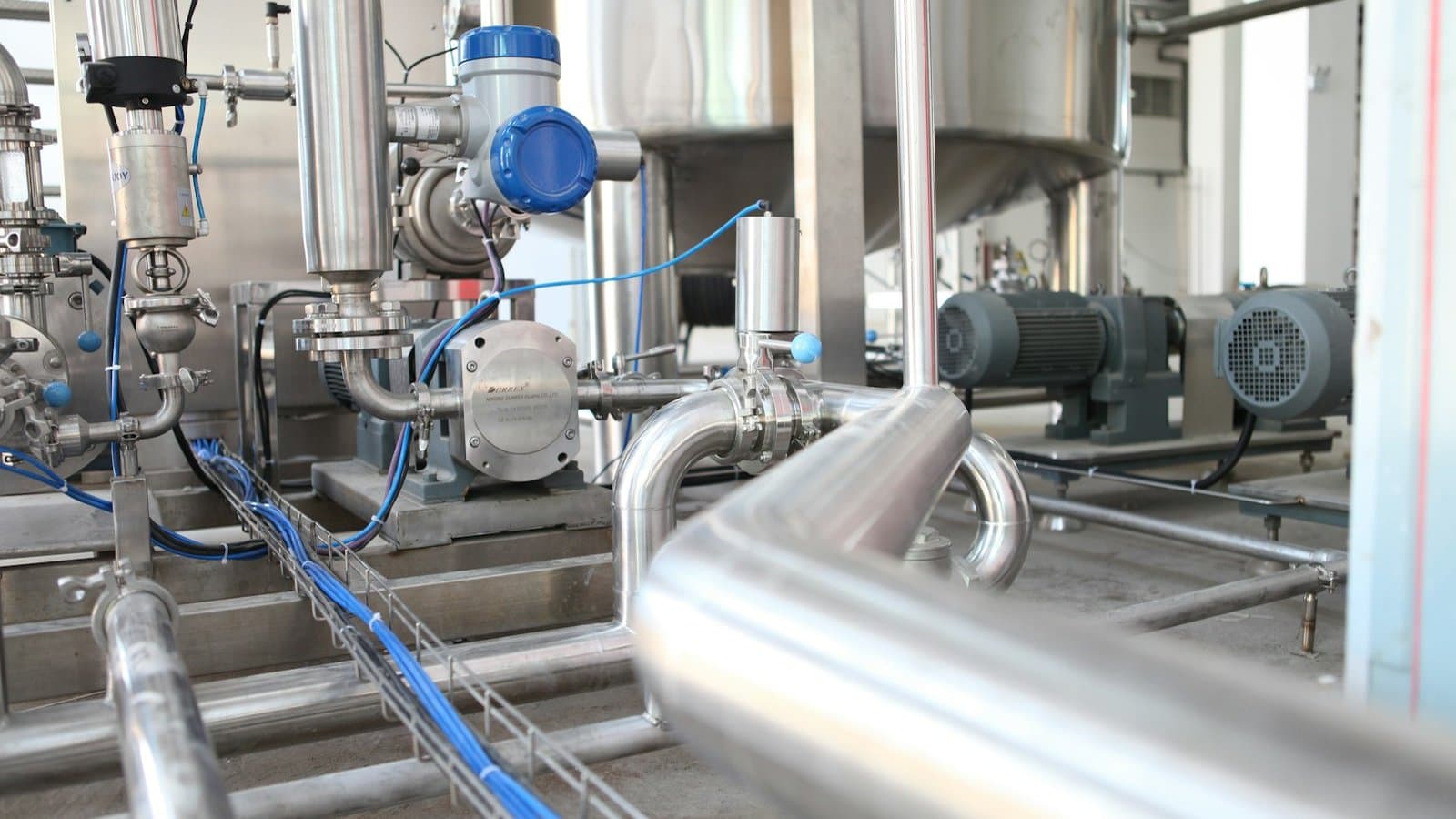
Hotels, hospitals, offices and data centres face real water treatment obligations, Legionella, scale, potable quality, but the decisions are routinely made by the lowest-cost bidder. This guide helps facility operators specify correctly and select the right provider.
A single Legionella notification at a 300-room hotel costs $45,000 to 180,000 in emergency disinfection, regulatory response, occupant relocation, and legal review, before the reputational damage that drives 20 to 40% revenue loss in the following quarter. A silent scale problem in the same hotel's chiller plant degrades cooling efficiency by 15 to 20% within 18 months, adding $22,000 to 55,000/year to the electricity bill. Both are entirely preventable with a properly specified commercial water treatment programme that costs less than $25,000/year. Both are routine, not exceptional.
The technology is mature. The regulations are clear. The economics are uncontested. And yet most commercial buildings still buy water treatment as a chemical-supply contract from the lowest-cost bidder, not as engineered infrastructure from a competent specialist. That gap, between what good treatment looks like and what most buildings actually have, is where every six-figure incident in this article begins.
This guide is for facilities managers running multi-building portfolios, operations directors who own uptime and compliance, and procurement leads writing the next water treatment RFP. It covers what professional commercial water treatment looks like, where the most expensive failures happen, what decisions are worth fighting for, and how to specify and select a provider that won't quietly cost you a quarter of a million dollars over the contract term.
## The decision in brief
- Engineer the programme, do not buy the cheapest chemicals. Replacing a lowest-cost-bidder chemical supply contract with a properly engineered commercial water treatment programme on one mid-size hotel, hospital, or office building avoids $80,000 to 250,000 in incident and equipment costs over a typical 5-year contract. - Know where the avoided cost sits. The avoided cost splits across one Legionella notification avoided at $45,000 to 180,000, heat-exchanger replacement deferred at $15,000 to 55,000, and chiller efficiency preserved at $22,000 to 55,000/year in electricity. - The premium pays back 5 to 15×. The incremental cost of the engineered programme over the cheap contract is typically $8,000 to 18,000/year, a payback ratio of 5 to 15× before reputational and legal exposure is even priced in.
The biggest cost of doing nothing is treating water treatment as an annual purchase order rather than critical infrastructure protecting $millions of building plant. When an incident hits, the cheap-contract savings evaporate inside one quarter.
## What Commercial Water Treatment Actually Covers
The term spans a wide range of applications, but has a reasonably clear scope:
- Potable water treatment, softening, filtration, and disinfection for drinking water, sanitation, and food contact use - HVAC and cooling water treatment, scale inhibition, corrosion control, and biocide dosing in cooling towers and closed loops - Boiler feedwater conditioning, hardness removal, deaeration, and chemical dosing to protect steam and hot water systems - Legionella risk management, monitoring, chemical control, and temperature management in hot and cold water circuits - High-purity water production, where specific end uses demand RO or deionisation (dialysis, laboratory, food contact) - Wastewater pre-treatment, where discharge consents apply (trade effluent licences, [fat/oil/grease removal](/resources/oily-wastewater-treatment))
The line between commercial and industrial lies in process integration. Once water is part of a manufacturing process, cooling a product, rinsing components, reacting with chemicals, you are in industrial territory with different regulatory and engineering requirements. A hotel laundry is commercial. A textile dyeing facility is industrial. A hospital sterilisation unit sits at the boundary and needs to be specified accordingly.
Most vendors do not operate comfortably across both domains. Know which side of the line you are on before you go to market.
## Commercial vs Industrial: The Key Differences
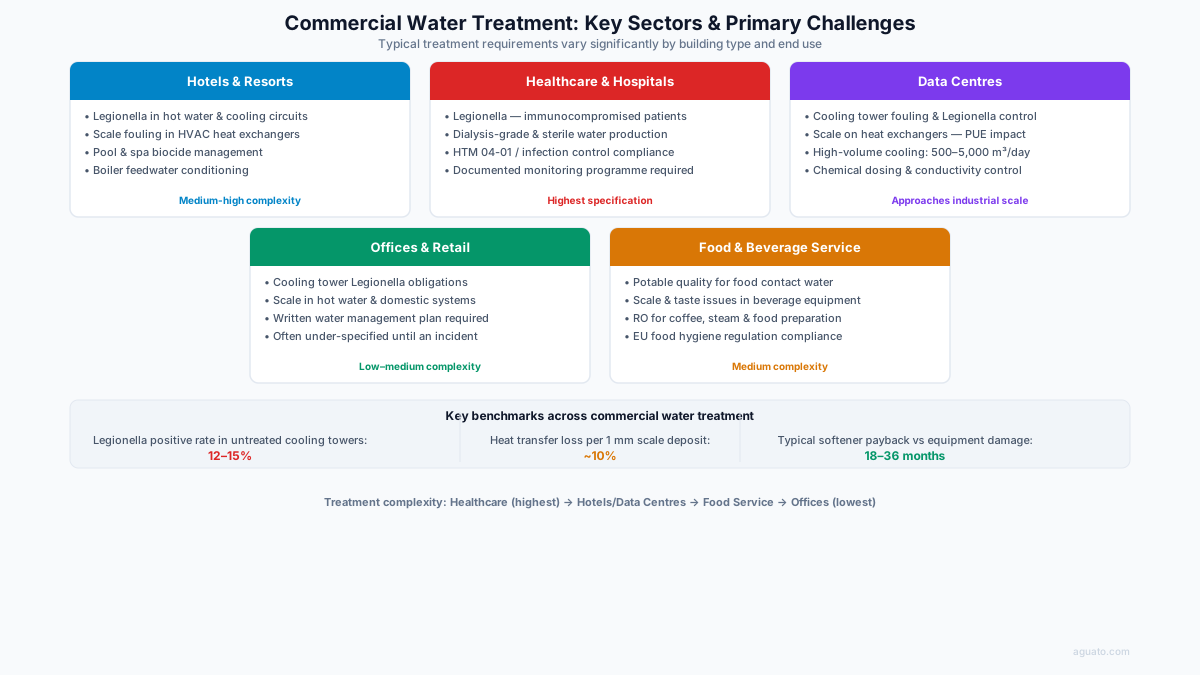
The distinction matters more than most procurement processes acknowledge. The table below is the fastest way to check which category your project sits in.
| Dimension | Commercial | Industrial | |---|---|---| | Typical daily volume | 5 to 500 m³/day | 500 to 50,000+ m³/day | | Primary regulatory driver | Drinking water standards and Legionella | Process quality and discharge consents | | Primary failure consequence | Health liability, equipment damage | Production loss, compliance breach | | Technology complexity | Low to medium | Medium to high | | Typical CAPEX | $16,500, $275,000 | $110,000, $11,000,000+ | | Responsible operator | Facilities management | Process engineering | | Water quality visibility | Degrades silently | Tied to production KPIs |
The critical difference is visibility. In industrial settings, water quality failure is tied to production output, when the water fails, something stops working and someone notices immediately. In commercial settings, degradation is invisible: scale builds over months, biocide dosing drifts, Legionella colonises stagnant pipework. The failure is silent until it becomes expensive or dangerous.
Most commercial facilities are running water treatment programmes designed by whoever installed the HVAC system. That works until a heat exchanger fails two years ahead of schedule or a Legionella sampling result triggers a regulatory notification.
## Key Sectors and Their Specific Challenges
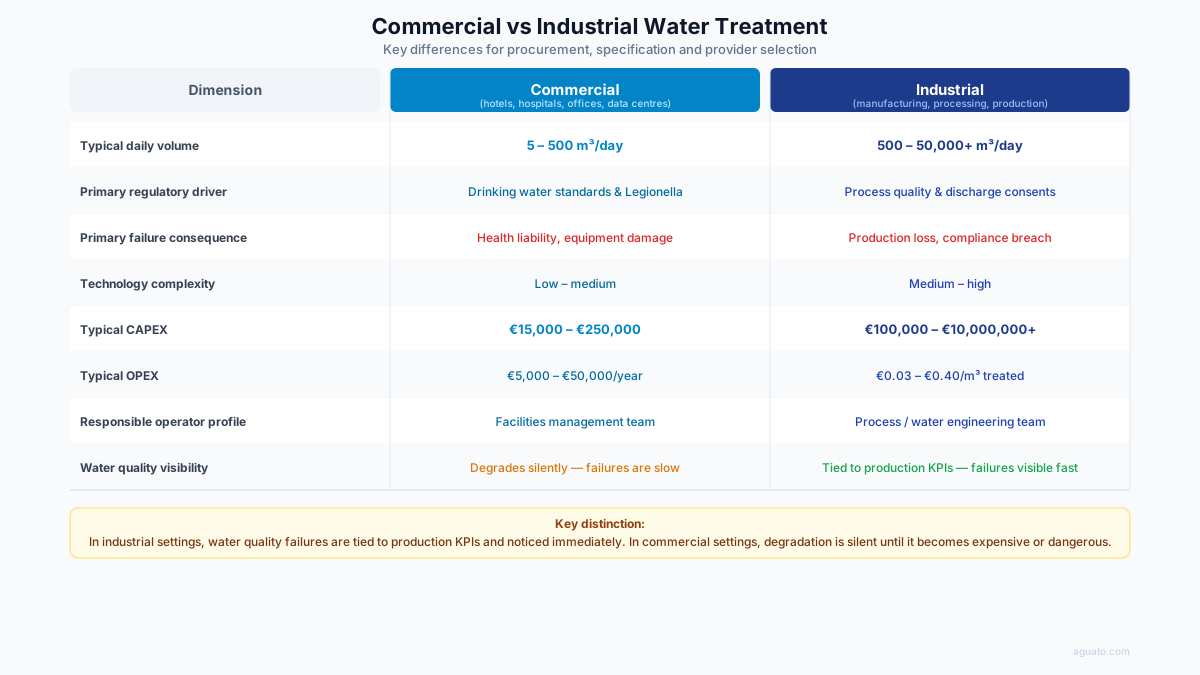
| Sector | Primary risk | Annual treatment spend (mid-size building) | Cost of an incident | Compliance regime | |---|---|---|---|---| | Hotels & resorts | Legionella in cooling/hot water + scale in chillers | $12,000 to 35,000 | $45,000 to 180,000 per Legionella notification + revenue loss | Local Legionella regs + L8/HSG274 (UK) | | Healthcare | Legionella exposure to immunocompromised patients + dialysis water purity | $25,000 to 75,000 | CQC registration risk + patient harm liability | HTM 04-01 (UK), CMS Memo QSO-17-30 (US) | | Data centres | Cooling efficiency loss from scale + biological fouling | $30,000 to 120,000 | 10% PUE penalty per 1mm scale = 6-figure annual electricity overshoot | ASHRAE 188, local Legionella regs | | Offices & retail | Legionella legal liability + scale in dishwashers/coffee/cooling | $5,000 to 18,000 | $40,000+ per Legionella incident, equipment replacement | L8 ACoP (UK), local equivalents | | Food service / commercial kitchens | Hardness-driven equipment failure + ice machine bacteria | $4,000 to 14,000 | $15,000 to 50,000 per equipment replacement event | Food hygiene regs + hardness limits |
### Hotels and Resorts
Large hotels run significant water infrastructure: cooling towers, boilers, domestic hot and cold water systems, pool and spa circuits, and commercial kitchens. Primary risks are Legionella in hot water and cooling circuits, scale fouling in heat exchangers, and corrosion in ageing pipework.
Typical pattern across the sector: A 300-room hotel in a hard water area (greater than 300 mg/L as CaCO3) without a functioning scale inhibition programme will lose 15 to 20% heat exchanger efficiency within 18 months. Cleaning or replacing a fouled chiller plate pack typically costs $8,800, $27,500, more than three years of a properly specified chemical dosing contract.
### Healthcare Facilities
Hospitals and care homes operate under the most demanding commercial water treatment requirements. Immunocompromised patients cannot tolerate the Legionella exposure risk acceptable in an office building. Many facilities also require defined-purity water for renal dialysis, sterilisation, and pharmacy applications, categories that sit outside standard commercial treatment.
HTM 04-01 in the UK and equivalent national standards set specific requirements: temperature management, disinfection frequencies, monitoring protocols, and full documentation. Non-compliance is a CQC registration issue, not a maintenance note. Drinking water quality at point of use in healthcare must meet the [WHO Guidelines for Drinking-water Quality](dofollow:https://www.who.int/publications/i/item/9789241549950), the same standards that govern dialysis water purity and sterile supply applications. The healthcare sector consistently requires the highest-specification commercial water treatment programme. Budget accordingly, and do not confuse a Legionella risk assessment with a Legionella control programme.
### Data Centres
Cooling is the dominant water treatment challenge in data centres, and large hyperscale facilities operate at volumes that overlap with light industrial. The risks are scale and biological fouling in cooling circuits, which affect cooling efficiency and PUE (Power Usage Effectiveness) directly.
A 1 mm scale layer on a heat exchange surface reduces heat transfer efficiency by approximately 10%. In an energy-intensive facility, this shows up on the electricity bill within weeks, not months. Water treatment in data centres is infrastructure investment, not a facilities overhead.
### Offices and Retail
Lower-risk but not zero-risk. Any building with a cooling tower has a Legionella legal obligation. Softening is relevant wherever incoming hardness exceeds 200 mg/L and there are hot water systems, dishwashers, or coffee equipment. The key failure mode is neglect, commercial properties routinely have no documented water treatment programme until an incident forces one.
[Use Nepti to model your building's water profile](/nepti) against your incoming supply quality before specifying a system, it produces a ranked view of what treatment is actually needed versus what vendors will propose.
[cta:nepti-dark]
## Core Technologies and Where They Apply
### Water Softening
Ion exchange softening removes the calcium and magnesium ions responsible for scale formation. Standard specification for any commercial building with incoming hardness above 150 mg/L where hot water systems, boilers, or heat exchangers are present.
CAPEX: $2,200, $16,500 depending on capacity. OPEX: $0.02 to 0.09/m³ (salt and regeneration). Payback against maintenance and equipment life extension: typically 18 to 36 months. It is not sophisticated technology, but failing to install it is an expensive error.
### Pre-Filtration
Sand filtration, activated carbon, and multimedia filters remove turbidity and reduce [chlorine](/elements/chlorine). Not typically the primary treatment in buildings supplied from treated mains, but essential pre-treatment for RO systems and UV disinfection, and necessary where private borehole supply is used.
UF (ultrafiltration) is increasingly specified in high-hygiene applications, healthcare and food service, where consistent removal of bacteria and particulates is required. See [how microfiltration and UF compare for pre-treatment applications](/resources/microfiltration).
### UV Disinfection
The most common secondary disinfection technology in commercial buildings. Low maintenance, no chemical handling, effective against Legionella at validated doses. Not a standalone Legionella control measure, temperature management and system hygiene remain the primary controls. UV deals with what gets past the primary programme, not the programme itself.
### Chemical Dosing for Cooling and Boiler Circuits
Closed-loop and cooling tower circuits require ongoing chemical treatment: scale inhibitors, corrosion inhibitors, and biocides. Automatic dosing controllers with conductivity and pH monitoring are standard in any properly maintained commercial cooling system.
The chemistry costs $0.06 to 0.22/m³ treated. The cost of operating without it is not comparable.
### Reverse Osmosis
RO is justified where high-purity water is genuinely required: renal dialysis, laboratory applications, certain food service uses, and boiler feedwater in high-pressure systems (above 10 to 15 bar). Not required for standard commercial HVAC scale protection, a common over-specification driven by vendor proposals rather than engineering requirement.
Where RO is specified, pre-treatment design determines whether the system survives its first two years. Poorly specified pre-treatment leads to membrane fouling and rapid degradation. [Browse membrane filtration and RO system providers on Aguato](/providers) to compare supplier approaches to pre-treatment design.
## Compliance Requirements You Cannot Ignore
### Legionella
Legionella pneumophila is the single largest compliance driver in commercial water treatment. The regulatory framework is specific and non-negotiable:
- UK: HSG274 and the L8 Approved Code of Practice. Duty holders must conduct Legionella risk assessments and implement a Written Scheme of Control. - EU: Council Directive 98/83/EC on drinking water, plus national Legionella control regulations that vary by country. - US: [ASHRAE Standard 188, Legionellosis Risk Management for Building Water Systems](dofollow:https://www.ashrae.org/technical-resources/bookstore/ansi-ashrae-standard-188-2021-legionellosis-risk-management-for-building-water-systems) sets the framework for water management plans.
A Legionella risk assessment identifies the risk. A water management plan, temperature control, chemical dosing, periodic disinfection, monitoring, manages it. Many commercial buildings have the assessment and lack the plan.
### Drinking Water Standards
Where treated water is consumed by building occupants, the [EU Drinking Water Directive 2020/2184](dofollow:https://environment.ec.europa.eu/topics/water/drinking-water_en) sets the quality parameters. Point-of-use treatment systems that affect potable water quality require validation against these standards.
### Healthcare and Food Service
Healthcare facilities must comply with infection control frameworks including HTM 04-01 in the UK. Food businesses must meet food hygiene regulations governing water used in food preparation. Both sectors require documented water quality monitoring, not just treatment systems that happen to be installed.
## Where Commercial Projects Fail
### Failure 1: Treating water treatment as a consumables contract
A facilities manager at a 10,000 m² office complex renews the water treatment chemical contract annually with no engineering review. The system was designed in 2008 for 200 occupants; the building now houses 600.
Operational outcome: Cooling tower cycles of concentration have drifted over the years; biocide dosing is insufficient for actual water volumes. A routine Legionella sample returns a positive result. Emergency disinfection, regulatory notification, and legal review cost $39,000+.
Correct decision: Annual engineering review of the treatment programme against actual building use, not just chemical replenishment.
### Failure 2: Specifying RO where softening is sufficient
A hotel specifies RO for all HVAC make-up water based on a vendor recommendation. CAPEX increases by $44,000 over a softening-only approach. Membrane replacement cycles become an operational burden that the facilities team is not equipped to manage.
Operational outcome: The system works, but the hotel pays $0.13/m³ OPEX where $0.04/m³ would have achieved the same scale protection.
Correct decision: Match treatment to the actual water quality requirement. For standard HVAC scale control in most mains-supplied buildings, ion exchange softening is sufficient. RO is justified for high-purity or high-pressure applications.
### Failure 3: No documented water management plan in a regulated building
A care home has chemical dosing equipment installed, but there is no written programme: no sampling schedule, no corrective action thresholds, no responsible person identified.
Operational outcome: During a CQC inspection, the absence of documentation is cited as a compliance failure regardless of the system's actual performance. Re-inspection required; reputational damage follows.
Correct decision: In regulated sectors, the written scheme of control and monitoring documentation are regulatory requirements. A treatment system without documentation is not a compliant treatment system.
## How to Select a Commercial Water Treatment Provider
The selection process for commercial water treatment should be more rigorous than a price comparison.
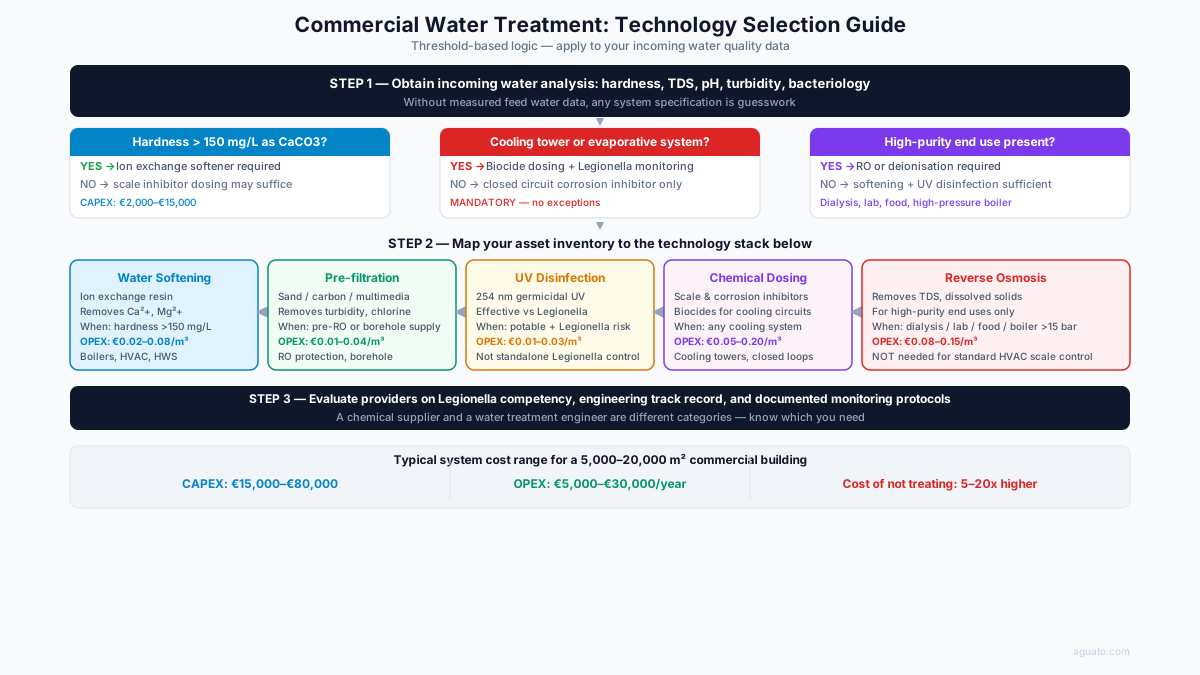
Step 1, Obtain your water quality baseline. Get a full analysis of your incoming supply: total hardness, TDS, pH, turbidity, chlorine residual, bacteriology. Without this, any proposal is speculative. For the full decision framework covering technology selection logic and characterisation requirements, see the [how to choose the right industrial water treatment](/resources/how-to-choose-industrial-water-treatment) guide.
Step 2, Map your water-using assets. Identify all water-using systems: cooling towers, boilers, hot and cold water circuits, process equipment. Note design specification and current condition for each.
Step 3, Apply threshold logic to technology selection: - Hardness greater than 150 mg/L and hot water or boiler systems present → softening required - Cooling tower present → biocide dosing, conductivity control, and Legionella monitoring required, no exceptions - High-purity end use present (dialysis, lab, food contact, boiler above 15 bar) → RO or deionisation required - Private borehole supply → full potability treatment required regardless of other factors
Step 4, Evaluate providers on engineering competency, not price alone. For any building with Legionella obligations, you need documented competency in Legionella risk management, training records, risk assessment methodology, monitoring protocols, and references from comparable installations. A chemical supplier and a water treatment engineer are different categories.
[Post your commercial water treatment requirement and receive independent proposals](/post-project) from qualified providers, including Legionella specialists, HVAC water treatment engineers, and RO system integrators.
## Frequently Asked Questions
### What is the difference between commercial and industrial water treatment?
Commercial water treatment serves buildings, hotels, hospitals, offices, data centres, and focuses on potable water supply, HVAC systems, and Legionella control. Industrial water treatment is integrated into manufacturing or process operations, involves significantly higher volumes, and is tied to production quality and discharge compliance. The regulatory frameworks, technology specifications, operator profiles, and vendor markets are distinct.
### Is a Legionella risk assessment a legal requirement for commercial buildings?
In most jurisdictions, yes, for any building with a cooling tower, evaporative condenser, or complex hot water system. In the UK, the duty holder obligation under the L8 Approved Code of Practice is clear. In the EU and US, equivalent national regulations apply. The risk assessment identifies risk; the Written Scheme of Control and water management programme manage it. Many buildings have one without the other.
### How much does commercial water treatment cost?
CAPEX for a complete system, softening, chemical dosing, UV disinfection, in a mid-size building typically runs $16,500, $88,000 depending on system complexity. OPEX (chemicals, maintenance, monitoring) typically runs $5,500, $33,000/year for a 5,000 to 20,000 m² building. The cost of not treating correctly, equipment damage, Legionella incidents, regulatory penalties, is typically 5 to 20x higher.
### Do I need reverse osmosis for a commercial building?
Only in specific circumstances: renal dialysis facilities, pharmaceutical or laboratory applications, high-pressure steam boilers (above 10 to 15 bar), or where mains TDS exceeds 800 mg/L with sensitive end uses. For standard HVAC scale protection in a mains-supplied building, ion exchange softening is almost always sufficient and significantly cheaper to operate. RO is frequently over-specified in commercial settings.
### What should I look for in a commercial water treatment provider?
Documented Legionella competency (training records, risk assessment methodology), engineering experience relevant to your building type, a defined monitoring and corrective action protocol, and references from comparable building types. Verify that the company provides a Written Scheme of Control and monitoring documentation, not just chemical supply.
### How often should commercial water systems be monitored?
Cooling towers: monthly Legionella sampling as a minimum, with quarterly full bacteriological and chemical analysis. Hot water systems: quarterly temperature monitoring at sentinel taps, annual full system review. Closed-loop circuits: quarterly chemical analysis. All monitoring results should be documented, documentation is a compliance requirement in regulated buildings, not optional record-keeping.
### Where can I find qualified commercial water treatment providers?
[Browse providers on the Aguato marketplace](/providers) who specialise in commercial water treatment, including Legionella risk management, HVAC water treatment, and RO system integration. Or [post your specific requirement](/post-project) and compare 3 to 5 independent proposals from qualified companies. The [industrial water marketplace for industrial buyers](/resources/water-marketplace) explains how structured procurement through a marketplace differs from traditional vendor-led selection.